/ Oil & gas
Views: 374
Fuel Marketers Threaten Nationwide Shutdown Over Petrol Price Control
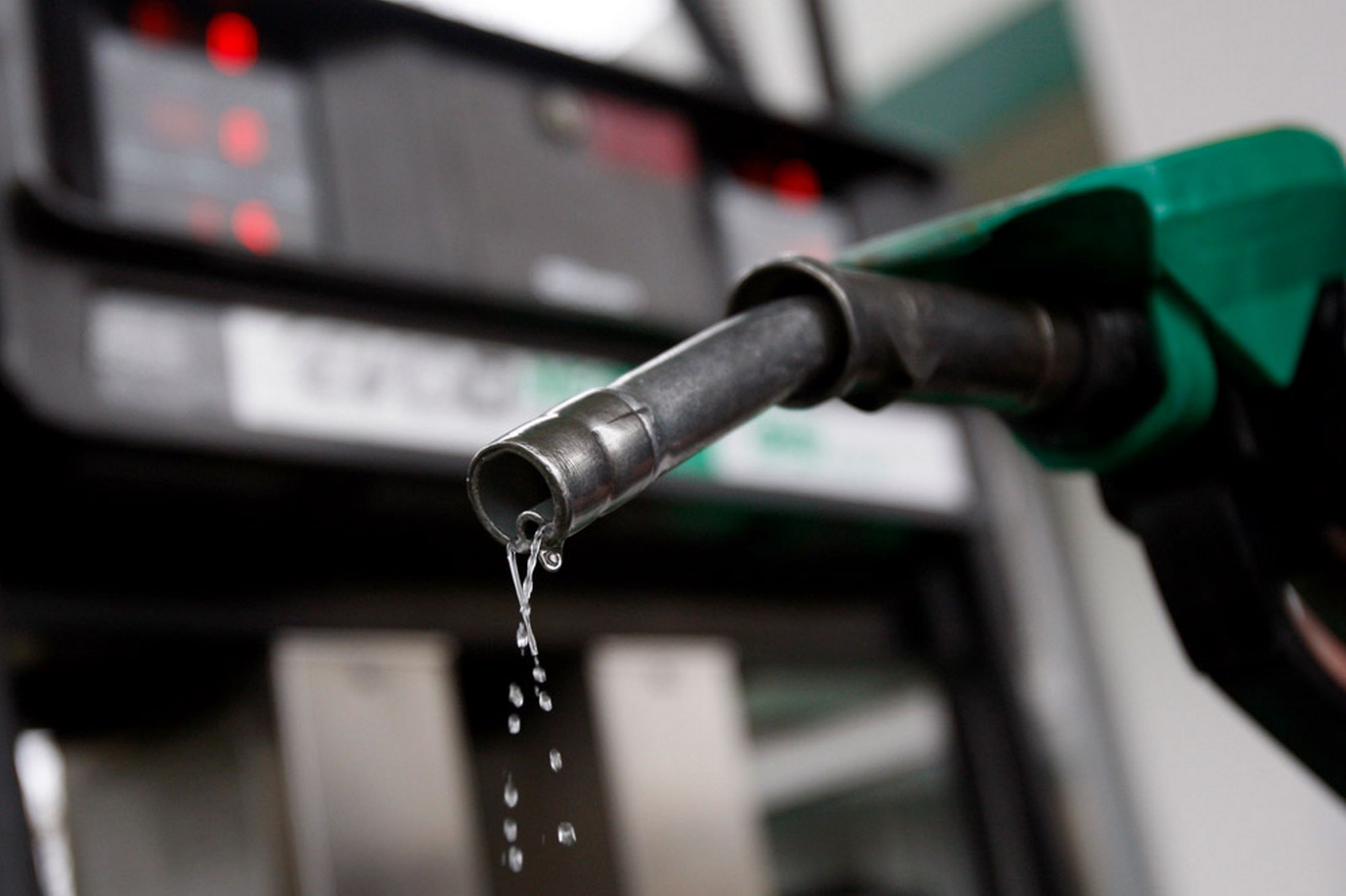
Fuel marketers have threatened to shut down filling stations across Nigeria if the Federal Government attempts to impose price controls on Premium Motor Spirit (petrol), insisting that such a move would undermine the country's deregulated downstream petroleum sector.
The warning came from the National Publicity Secretary of the Independent Petroleum Marketers Association of Nigeria (IPMAN), Chinedu Ukadike, following fresh assurances by the Federal Government that it would not tolerate profiteering or exploitative pricing in the sale of petroleum products.
Speaking in an interview on Tuesday, Ukadike maintained that marketers would resist any attempt by the government to dictate pump prices, stressing that pricing in a deregulated market must be determined solely by market forces.
"If they try somehow to enforce price control, we will shut down our filling stations nationwide. You cannot regulate a deregulated market. You cannot tell me how much to sell my product without first determining how much I bought it," he warned.
The development follows comments by the Minister of State for Petroleum Resources (Oil), Heineken Lokpobiri, who, on Monday, directed the Nigerian Midstream and Downstream Petroleum Regulatory Authority (NMDPRA) to ensure consumers are protected from excessive pricing and other exploitative practices.
Speaking at the opening of the 2026 General Counsel and Legal Advisers Forum organised by the NMDPRA in Abuja, Lokpobiri acknowledged that while the era of government-fixed petrol prices had ended, deregulation did not relieve regulators of their responsibility to protect Nigerians from profiteering.
According to the minister, market forces should determine fuel prices, but government agencies must ensure that operators do not exploit consumers under the guise of deregulation.
His remarks came amid growing public concern over the failure of refiners and fuel importers to significantly reduce petrol prices despite the sharp decline in global crude oil prices—from about 120 dollars per barrel during the recent US-Iran conflict to nearly 72 dollars per barrel.
Earlier, the Federal Competition and Consumer Protection Commission (FCCPC) had also expressed concern over what it described as possible consumer exploitation, noting that pump prices had remained largely unchanged despite the drop in international crude oil prices.
Responding to the concerns, Ukadike dismissed allegations of profiteering, arguing that many independent marketers are, in fact, operating at a loss due to frequent price reductions by the Dangote Refinery.
He explained that marketers often purchase products at higher prices only for the market price to fall before the products reach their filling stations, leaving them to absorb significant financial losses.
According to him, many marketers are also burdened by bank loans with fixed repayment obligations, making it difficult to cope with fluctuating market prices.
"If you don't reduce your price, customers won't buy from you. That is the beauty of deregulation. If you cannot compete, you will not survive," he said.
Ukadike argued that rather than introducing price controls, the Federal Government should focus on increasing competition by ensuring local refineries operate efficiently, encouraging more imports, and expanding supply.
He maintained that increased competition not government price fixing remains the most effective way to drive down petrol prices sustainably.
"The problem is the lack of competition. Government should concentrate on getting our refineries working and opening the market. Once competition improves, prices will naturally come down," he added.
Also reacting, the National President of the Petroleum Products Retail Outlet Owners Association of Nigeria (PETROAN), Billy Gillis-Harry, acknowledged that the government has the statutory authority to intervene where consumers are being exploited.
However, he advised that any regulatory action should follow broad consultations with stakeholders across the downstream petroleum industry.
According to him, the Minister of Petroleum Resources should urgently convene a meeting involving marketers, refiners, regulators, and other industry players to review prevailing market conditions and agree on solutions that protect consumers without disrupting the market.
Meanwhile, the spokesman of the Nigerian Midstream and Downstream Petroleum Regulatory Authority, George Ene-Ita, said he had not been briefed on any specific enforcement measures being considered by the agency.
Petrol currently sells between ₦1,140 and ₦1,210 per litre, depending on location, with consumers continuing to express concern over the high cost of the product despite easing global crude oil prices.