/ News
Views: 372
How alleged funding gaps and internal tensions led to Kayode Egbetokun’s exit
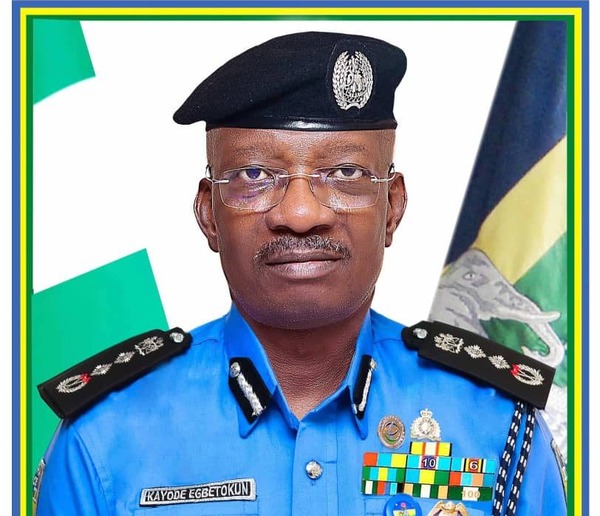
Fresh revelations have surfaced over the circumstances surrounding President Bola Ahmed Tinubu’s directive asking former Inspector-General of Police, Kayode Egbetokun, to proceed on retirement, with sources pointing to alleged financial and administrative lapses at the force headquarters.
Multiple insiders disclosed that the former IGP allegedly failed to remit monthly allocations meant for the administrative, operational and logistical running of some state police commands for several months, despite funds being made available.
The development reportedly came to light against the backdrop of rising kidnappings, deadly attacks on communities and persistent killings across several states. Concerned about the trend, President Tinubu was said to have demanded explanations on why security agencies appeared unable to stem the violence.
According to sources, the President had approved funds to strengthen police operational capacity, enhance rapid response to mass kidnappings and attacks, and improve officers’ welfare. However, fresh incidents continued to occur shortly after such assurances were given.
“On several occasions, former IGP Egbetokun had reassured the President that perpetrators of dastardly criminal acts would be arrested provided certain operational requirements were in place. The President would make funds available for those purposes, yet a few days later, more deadly attacks or incidents of kidnapping by terrorists would occur to the embarrassment of the President. The incidents in Kaduna, Niger, Kwara, Zamfara, Kebbi, and Adamawa were not taken lightly by the President,” a source said.
Unwilling to overlook the situation, the President reportedly initiated discreet inquiries through state Commissioners of Police to understand why commands appeared overwhelmed. It was during this process that it was allegedly discovered that several state commands had not received their statutory monthly allocations.
One insider claimed that some states went as long as seven months without remittances, while another cited six months of non-payment in certain commands. “There is no way non-remittance of monthly allocations will not affect running of the police commands, even though the money would not be enough,” the source added.
Sources further alleged that funds for the allocations were available at the headquarters level but were not disbursed, a discovery said to have angered the President and ultimately influenced his directive for Egbetokun to step aside.
Tensions were also said to have been heightened by the removal of then AIG Tunji Disu from his post as head of the Special Protection Force/Unit (SPFU). According to insiders, Disu had prepared a memo to implement the President’s directive withdrawing police officers from VIP protection, but a senior Deputy Inspector-General allegedly blocked the move. When the matter reached Egbetokun, he reportedly ordered Disu’s removal and replaced him with a coursemate.
Although the President later directed that Disu be reinstated to SPFU and placed the replacement officer on administrative leave with three months left in service, Egbetokun allegedly redeployed Disu to the FCID Annex in Lagos which was a move interpreted in some quarters as dissent. Additionally, allegations of abuse of special promotion privileges surfaced, with one source stating: “Within a few years, some officers got promoted three times without requisite qualifications, exams, or even experience, while those who had attended several courses and were highly qualified were neglected, with age on rank catching up on them for retirement.”